
British Game Meat Guide
A practical guide to British game meat, with clear introductions to pheasant, partridge and duck, seasonal context, preparation advice and cooking methods.
Guide
What game meat means
Game seasons
Game seasons shape when particular birds may be taken and can affect the availability of fresh, locally sourced game.
Game birds
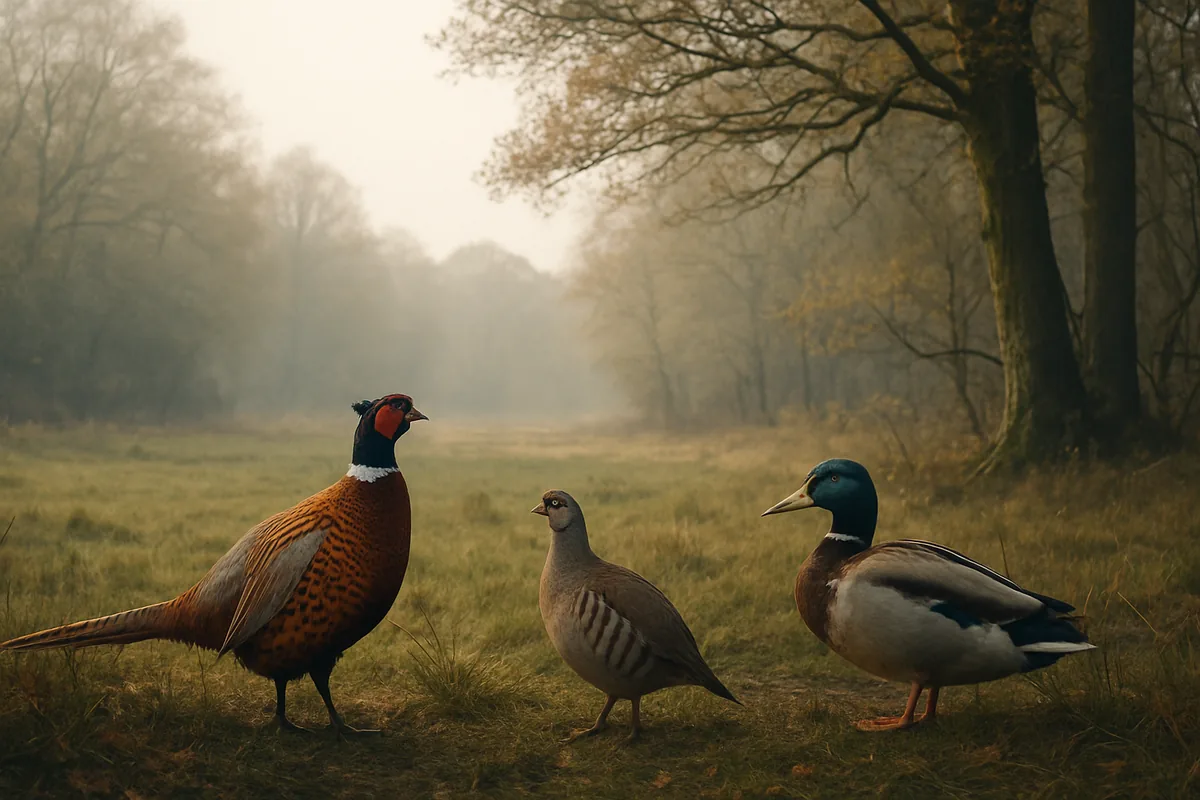
This British game meat guide covers three groups: pheasant, partridge and duck.
Cooking game meat
The best cooking approach depends first on whether the bird is whole or portioned into breasts.
Preparing a whole pheasant
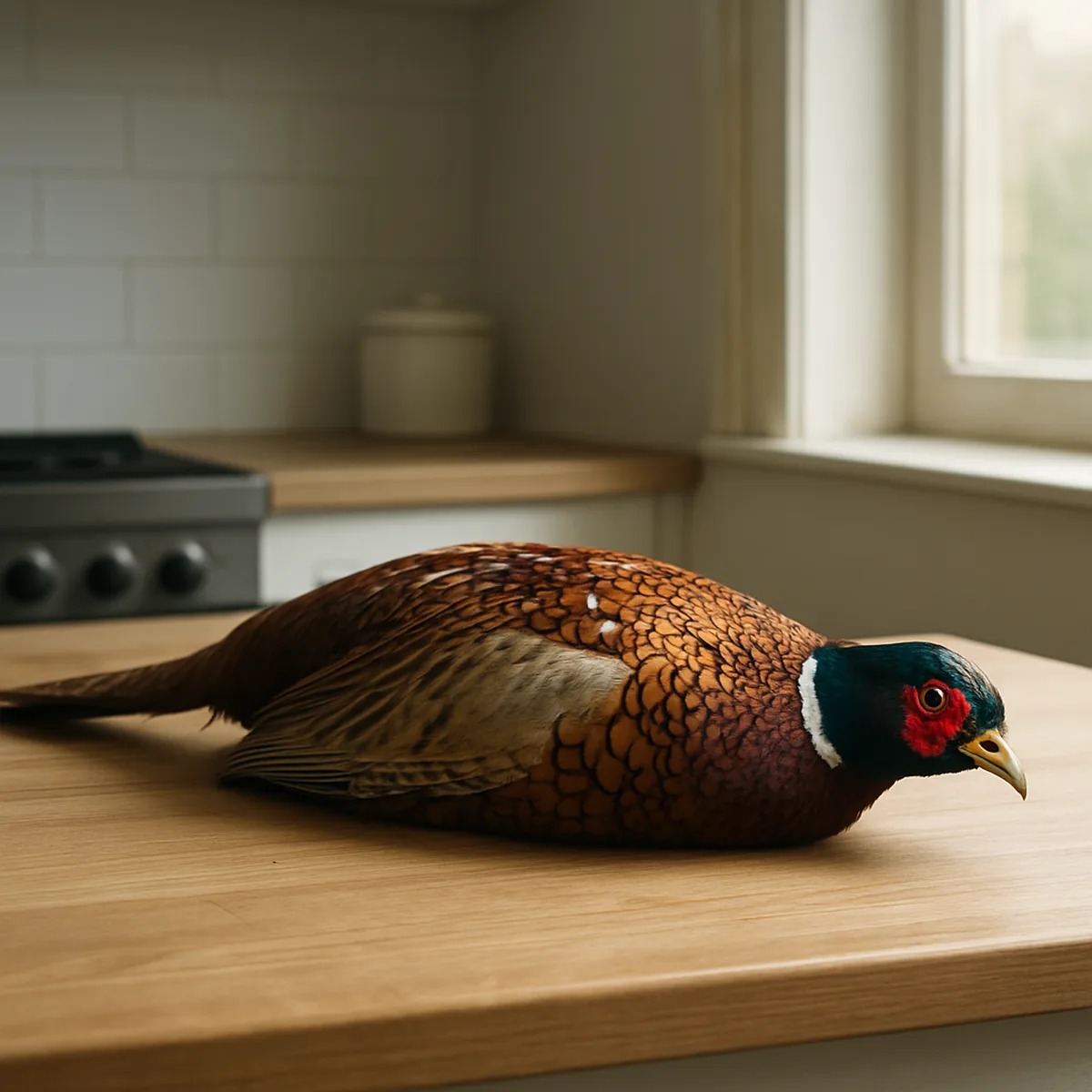
Preparing a whole pheasant means removing feathers and entrails, then checking the carcass before it is stored or passed on for cooking. A clean work area and careful handling help keep the bird in good condition. The Food Standards Agency recommends keeping a fridge at 5°C or below and separating raw meat from ready-to-eat food.
The best cooking approach depends first on whether the bird is whole or portioned into breasts. A whole bird cooks as a connected structure, so its breast and legs can finish at different rates; a breast cut cooks much faster and needs closer attention to moisture. Preparation also matters: a plucked, dressed bird is ready for a different sequence of steps than a breast removed from the carcass.
Seasons
Game seasons and seasonal context
-
Partridge Recipes for Roasting and Cooking
Partridge recipe ideas for roasting and other cooking methods, with preparation steps, flavour pairings, doneness checks and practical ways to adapt a recipe.
-
Barbary Duck
A clear guide to Barbary duck terminology, how it differs from other duck types, its characteristic meat, common preparations and cooking considerations.
-
How to Roast Duck Breast
Roast duck breast explained through preparation, skin treatment, oven timing factors, resting, doneness and serving ideas, with food-safety context.
What game meat means
Game meat is meat from game animals, and this British game meat guide narrows the subject to birds. Its focus is pheasant, partridge and duck, considered as birds rather than as portions on a plate. Knowing that distinction helps make sense of references to a species, a whole bird or a particular cut. It also separates identifying the meat from the later questions of preparing and cooking it.
Game meat and the birds in this guide
Game meat is the broad category; game birds are one part of it. In this guide, the subject is limited to pheasant, partridge and duck, three familiar British game birds. Each name refers to a kind of bird, not to a cut or a cooking method. A pheasant remains a pheasant whether it is considered whole or divided into portions; the same distinction applies to partridge and duck.
The three groups provide the starting point for the terms used in recipes and preparation instructions. A recipe naming pheasant identifies the bird it calls for, while a reference to game meat can describe the broader category. Keeping the terms separate makes it easier to follow a dish without treating a bird species, a portion and the general category as interchangeable.
Birds, cuts and preparation
A bird or species describes what the meat comes from: pheasant, partridge or duck. A cut describes the portion used, such as a breast, while “whole bird” means the bird is being handled or cooked intact. The same species can therefore appear in different forms, and a breast is not another name for a bird. These distinctions matter when reading an ingredient list or matching a recipe to what is available.
Preparation concerns the steps that make a bird or cut ready for cooking; cooking concerns how heat is applied to it. Coverage of whole birds and breast cuts applies across the three named groups, while the relevant details depend on the form being used. A whole bird and a breast portion call for different handling and recipe directions, even when both come from the same species. Check whether instructions name a bird, a cut or a prepared form before following them.
A guide to game birds
This British game meat guide covers three groups: pheasant, partridge and duck. Each name can refer to more than one species, and birds within a group may differ in size and build. The form of the meat matters too: a whole bird, a breast cut and a leg cut do not call for the same preparation or cooking information. Keeping those distinctions clear makes it easier to find guidance suited to the bird in hand.
The three bird groups
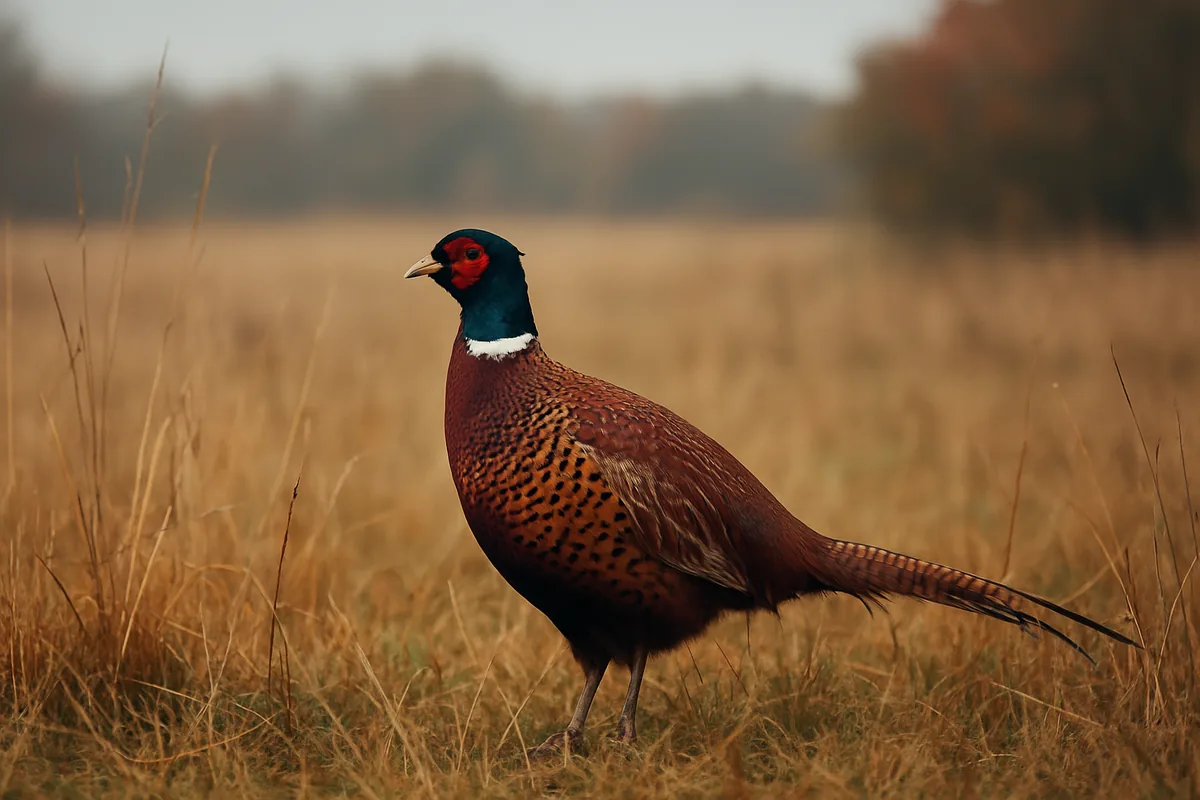
Pheasant, partridge and duck are the three British game bird groups covered here. Pheasant commonly refers to the ring-necked pheasant; partridge may refer to grey or red-legged birds; and wild duck includes species such as mallard. These are related names for practical reading, not interchangeable descriptions of a single bird. Species can differ in body size, breast shape and the amount of meat available from a whole carcass, so information for one bird may not transfer exactly to another.
The cut changes the question a cook needs answered. A whole bird includes breast, legs and carcass, while a breast-only portion has a different shape and thickness; leg meat is another distinct cut. Preparation also matters: a bird supplied whole and dressed is not the same starting point as a plucked bird that still needs further attention. When looking up guidance, check that it names the relevant species or group and specifies whether it concerns a whole bird or a particular cut.
Terminology and comparisons
Bird names identify the group or species, while cut names describe which part of the bird is being used. “Breast” and “leg” refer to portions; “whole bird” means the carcass is being considered as a complete unit. These labels help distinguish advice intended for a breast portion from information about an intact pheasant, partridge or duck. A species name can narrow the description further, especially when size or carcass shape affects how much usable meat a bird yields.
Preparation words describe the bird’s condition rather than its species or cut. “Plucked” means the feathers have been removed; “dressed” commonly indicates that internal organs have been removed, though product descriptions can vary, so check what is included. A bird may therefore be identified by species, sold whole or as a cut, and described by its preparation state. The game-birds guide explains the terminology and offers fuller comparisons among pheasant, partridge and duck, making it a useful reference when a product label or recipe uses an unfamiliar name.
Game seasons and seasonal context
Game seasons shape when particular birds may be taken and can affect the availability of fresh, locally sourced game. A seasonal calendar is a useful planning aid, but it does not replace the rules that apply at a specific location. Pheasant provides a familiar example of why readers need to check the relevant season rather than rely on a general date. Current official information is the basis for decisions about a particular place and time.
Why seasons vary
Season rules are set by species and jurisdiction, so a date associated with one bird cannot automatically be applied to another. The UK is not governed by a single game-season calendar: England, Wales, Scotland and Northern Ireland can have different provisions, and the relevant dates may vary between species within a nation. A general seasonal overview describes the broad pattern, while the applicable rules determine what is permitted at a particular place and time. For example, knowing that pheasant has a recognised season does not establish the dates that apply to a specific shoot in Scotland or Wales. Check the current rules for the nation concerned before using a calendar to plan activity; do not assume that a date seen for another species or jurisdiction carries across.
Checking current season information
A pheasant-season page gives readers a seasonal overview and context for finding the applicable dates; it should be read alongside current official rules. Check each point before relying on a date:
- Species: Confirm that the entry concerns pheasant. Dates listed for partridge, grouse or wild duck may differ, even when the birds are discussed together.
- UK nation: Match the location to England, Wales, Scotland or Northern Ireland, since season provisions are not uniform across all four nations.
- Applicable dates: Read the start and end dates for the relevant species and nation, rather than carrying a date over from another calendar or year.
- Current official rules: Verify the information against the latest rules issued by the relevant authority; an older seasonal summary may no longer reflect current provisions.
- Place and timing: Check that the rule covers the specific location and date in question before making plans based on a general seasonal reference.
These checks distinguish a helpful pheasant-season overview from the current rules that apply to a particular place. Use the official information for the nation concerned when confirming dates.
Cooking game meat
The best cooking approach depends first on whether the bird is whole or portioned into breasts. A whole bird cooks as a connected structure, so its breast and legs can finish at different rates; a breast cut cooks much faster and needs closer attention to moisture. Preparation also matters: a plucked, dressed bird is ready for a different sequence of steps than a breast removed from the carcass. Roasting is one option, but recipes can be adapted to suit the bird, cut and equipment. Choose a method that fits the shape of the meat rather than applying one recipe unchanged.
Whole birds and breast cuts
A whole bird and a breast cut need different handling: the first has several muscles and a cavity, while the second is a lean, boneless portion that cooks quickly. Compare the practical differences before choosing a method.
| Cut | Preparation | Cooking approach | Moisture and serving |
|---|---|---|---|
| Whole pheasant | Check that the bird is dressed, then season the cavity and tie the legs if needed to keep the shape compact. | Roast as a single bird; the breast and legs do not necessarily finish at the same rate. | Shield the breast if it is browning ahead of the legs, then rest and carve across the breast into slices. |
| Whole partridge | Keep the bird intact and make sure the cavity is clear before seasoning. | Roast whole or use a covered cooking method that limits surface drying. | Rest before serving; carve or present whole, depending on the portion size and meal. |
| Individual breast cut | Remove any sinew and pat the surface dry so it browns rather than steams. | Pan-cook or grill as a single layer of meat, turning as needed for even cooking. | Watch the centre closely because a lean breast can dry out; rest briefly, then slice across the grain. |
| Wild duck breast | Keep the breast separate from the carcass and score the skin if it is left on. | Start skin-side down in a pan to render the fat, then turn to finish the meat. | Let the breast rest before slicing; serve the slices rather than treating the cut like a whole roast bird. |
The table shows why a whole-bird roasting method cannot simply be transferred to a breast. Match preparation, heat exposure and serving style to the cut.
Roasting and adapting recipes
Roasting suits an intact bird when you want the skin exposed to dry heat and the meat cooked on the bone. Arrange the bird so heat can circulate, and use a roasting tray that catches the juices without crowding the carcass. A breast cut is better treated as a separate portion: pan-cooking or grilling gives direct control over its surface and centre, while putting it through a whole-bird roasting schedule can leave it dry. Adapt recipes by checking what they assume about the cut, whether the bird is whole, and how it has been prepared. A recipe written for a plucked, dressed bird may not account for time spent dressing or portioning it; a boneless breast also needs less cooking exposure than a carcass. Keep the seasoning and accompaniments if they suit the meat, but change the method to fit the cut. For how to cook game birds, start with the bird’s form, then select the method that gives the most control over even cooking and moisture.
Cooking pheasant
Pheasant is a lean bird, so the choice between roasting it whole and cooking breast portions affects both preparation and moisture. A whole bird gives a shared roast, while breast cooks quickly in a pan and needs close attention. The right method depends on the cut, its skin and whether the bird is ready to cook. This pheasant cooking guide covers those choices, practical moisture control and safe serving.
Choosing and preparing pheasant
Choose a whole pheasant for a roast with portions to carve, or breast portions when a faster, more controlled cook suits the meal. Check the label for whether the bird is oven-ready and whether the breast is skin-on; those details affect the work and method required.
- An oven-ready whole bird needs only a final check for any packaging or supplied giblets, then drying and seasoning before it goes into the oven.
- A bird that is not oven-ready requires more preparation; buy it only if you are equipped to pluck and dress it safely.
- Skin-on breast can be started skin-side down in a cool or moderately heated pan, allowing the fat to render and the skin to brown.
- Skinless breast has no protective layer of skin, so use a little oil and avoid prolonged high heat that can leave the lean meat dry.
- Boneless breast portions cook more evenly when similar in thickness; fold or gently flatten thicker ends rather than overcooking thinner sections.
Pat the bird or portions dry before cooking so surface moisture does not impede browning. Choose the whole bird for a roast and breast portions for quicker pan-cooking.
Roasting, pan-cooking and serving
For a whole pheasant, roast in a preheated oven and check the thickest part of the breast and the inner thigh for doneness. Because pheasant is lean, baste with its own juices or a little butter, and shield the breast loosely with foil if it colours before the legs are ready. Resting the cooked bird before carving helps retain juices; do not use colour alone to judge safety. For breast portions, heat a lightly oiled pan and brown the meat without crowding it. Turn the portions as needed, then lower the heat to finish cooking evenly; a skin-on breast benefits from starting skin-side down. Remove the pan from the heat as soon as the centre is safely cooked, since extra time quickly dries lean meat. The UK Food Standards Agency advises cooking poultry until steaming hot throughout, with no pink meat and clear juices. For a measured check, its guidance is 70°C for 2 minutes; place a clean food thermometer in the thickest part, away from bone. Serve promptly on a clean platter, separate from raw-meat utensils. Cooking advice starts with a ready-to-cook bird or cut; plucking and dressing a whole pheasant are separate handling tasks.
Partridge recipes
Partridge works in recipes that keep its small size and flavour in mind. Choose the method after deciding whether you are cooking a whole bird, breasts or legs. A whole bird can be roasted, while separate cuts suit quicker pan-cooking or slower braising. The seasoning and cooking time should follow the cut, not simply the original recipe.
Preparing partridge for a recipe
Start with the recipe’s intended cut: a whole oven-ready partridge needs only a quick check for remaining pinfeathers and a pat dry, while prepared breasts or legs can go straight to portioning. If the bird is not dressed, ask the butcher to prepare it; removing the innards and cleaning the cavity is a different task from trimming a ready-to-cook bird. Check the cavity for loose material and remove any visible feather stubs with tweezers.
For a whole bird, season the cavity and skin, then follow the recipe’s instructions for tying or filling; a loose herb sprig is less likely to slow cooking than a dense stuffing. For breasts, trim ragged edges and keep the skin on when the recipe calls for crisping it in a pan. Legs have more connective tissue, so leave them whole for braising rather than treating them like breast meat. These partridge cooking tips help match preparation to the cooking method without adding unnecessary steps.
Roasting, other methods and pairings
For a straightforward roast, heat the oven to 200°C (180°C fan) and cook a prepared whole partridge for about 20–25 minutes, adjusting for its size and the recipe. Rest it for around 5 minutes before serving. A brief pan sear followed by oven cooking is useful when you want browned skin; baste with butter during the final minutes rather than extending the roast by default.
Boneless breasts cook more quickly: sear skin-side down in a hot pan until browned, turn, then finish gently, checking the thickest part as the recipe directs. Legs suit a covered, slow braise with stock, onion and herbs until tender. Pairings can balance the bird without masking it: try thyme with mushrooms, or apple with a little cider in a braising sauce. When adapting a whole-bird recipe to breasts, shorten the cooking and reduce the liquid; when using legs, add liquid and allow more time. A roast is the simplest choice for a whole bird, while braising makes better use of the legs.
Cooking duck
Duck cookery raises two different questions: what kind of bird is Barbary duck, and how should a duck breast be roasted? Barbary, also called Muscovy, is a distinct domestic duck type rather than a cooking method. A bird profile explains that distinction and its identifying traits. A separate roasting guide follows the breast from skin preparation through browning, oven cooking and resting.
Barbary duck as a type
Barbary duck, commonly called Muscovy duck, is a domestic type from the species Cairina moschata. It is distinct from mallard-derived domestic ducks such as Pekin; the name describes the bird, not a recipe or cut. The Barbary duck explainer is useful when a label or menu names this type and you want to know which bird it means before choosing a dish.
Adult birds often have fleshy red skin around the face, although plumage and appearance vary among domestic strains. Their meat is generally darker and leaner than that of common domestic duck. These traits describe the type rather than provide instructions for roasting: a whole bird and a breast portion need different preparation. The Barbary profile answers the identification question, while a separate roasting guide covers the breast as a specific cut.
Roasting duck breast
A duck breast needs attention to its skin and fat layer before it goes into the oven. Patting the surface dry supports browning; shallow parallel scores through the skin and fat help rendered fat escape, while keeping the cuts out of the flesh protects the meat. Trim loose edges and season the breast evenly. These are cut-preparation details, not identification clues for Barbary duck.
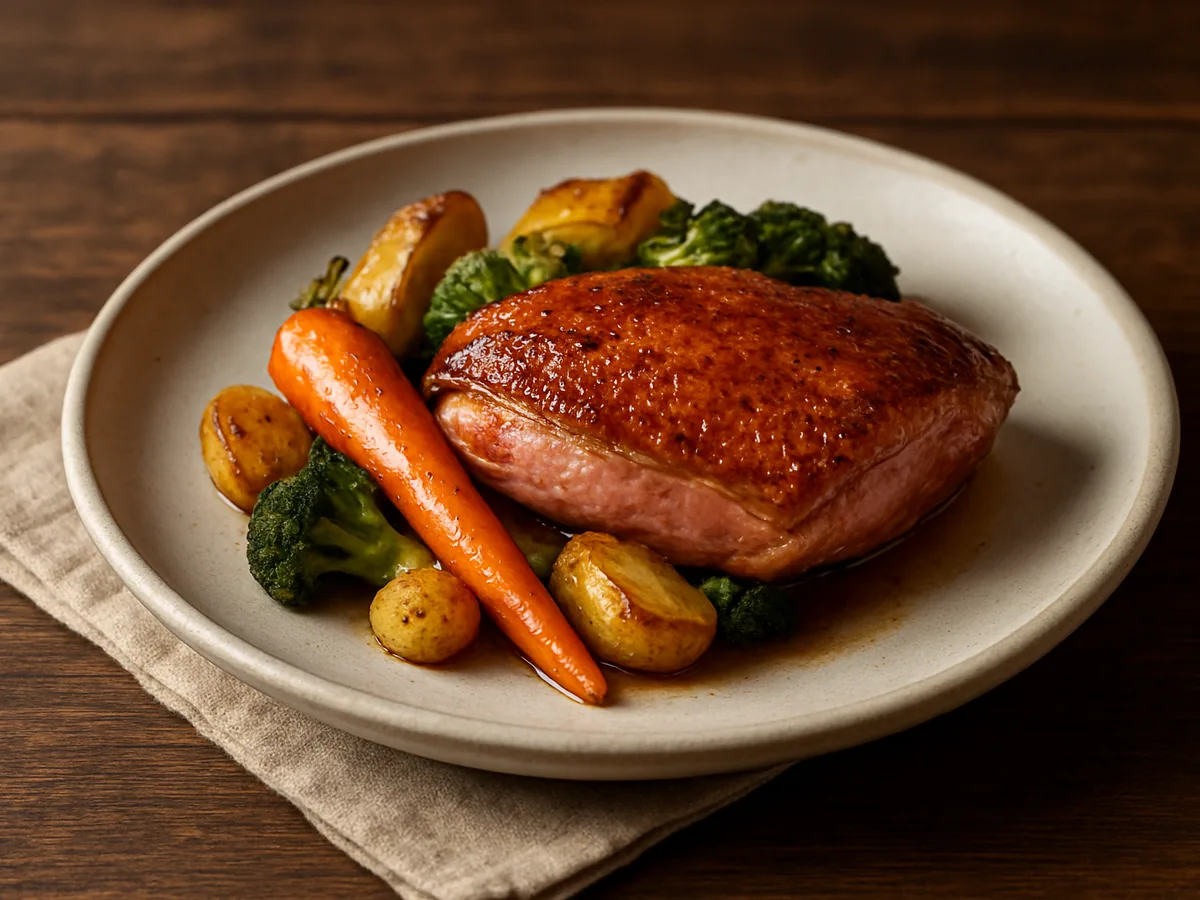
A roasting method commonly begins skin-side down in a pan so the fat renders and the skin browns, then transfers the breast to the oven to finish cooking. The duck-breast guide focuses on that sequence and on adapting it to the cut: thickness and whether the breast is bone-in affect how heat moves through it. After cooking, let the meat rest before slicing across the grain for neat portions. Follow recipe-specific temperatures and timings for the particular breast and desired doneness.
Preparing a whole pheasant
Preparing a whole pheasant means removing feathers and entrails, then checking the carcass before it is stored or passed on for cooking. A clean work area and careful handling help keep the bird in good condition. The Food Standards Agency recommends keeping a fridge at 5°C or below and separating raw meat from ready-to-eat food. Plucking and dressing finish before decisions about cooking method, time or temperature begin.
Plucking and dressing
Work over a clean, washable surface with a sharp small knife and a bowl for feathers and offal. Keep raw pheasant separate from ready-to-eat food.
- Wash hands with soap and water before handling the carcass; clean the knife and work surface before and after use.
- Pluck dry feathers in small pinches, working against their growth and keeping the skin taut to reduce tearing.
- Check the skin as feathers come away; note bruising, broken skin and shot damage rather than pulling hard at damaged areas.
- Make a shallow cut around the vent, taking care not to pierce the bowel, then open the body cavity carefully.
- Remove the entrails gently, including the crop, without squeezing or spilling their contents onto the meat or work surface.
- Inspect the cavity for remaining organs, pellets, fragments and contamination; discard anything visibly damaged and chill the bird promptly.
Avoid rinsing the carcass: splashes can spread bacteria. The FSA advises keeping the fridge at 5°C or below and storing raw meat separately from ready-to-eat food.
Preparation is not cooking
Plucking and dressing leave a clean, inspected carcass; they do not make the pheasant ready to eat. The preparation stage ends once feathers and entrails have been removed, the cavity has been checked, and the bird is chilled appropriately. Cooking begins when you choose a method and apply the relevant time and temperature guidance.
Consider the bird’s size, condition and intended serving before selecting an approach. An intact carcass can be assessed for a whole-bird method, while a bird with substantial shot damage may be more suitable for careful trimming and use in another dish. Keep preparation decisions separate from cooking decisions: the finished carcass still requires thorough cooking, and its method should be chosen using reliable pheasant-specific guidance. Do not treat plucking, dressing or chilling as a substitute for cooking.
Choosing a bird to cook
Choosing between pheasant, partridge and duck is easier when the intended dish is clear: a whole-bird centrepiece calls for different planning from portions served individually. Consider the flavour you enjoy, how much preparation you want to do and whether the recipe suits a whole bird or separate cuts. British game birds vary in size and fat content, which affects how they behave in the pan or oven. Use the comparison below to narrow the options, then match your chosen bird to the cut and method available.
Comparing pheasant, partridge and duck
These birds differ in flavour, texture and the amount of preparation a dish involves; the table compares them by practical cooking criteria.
| Bird | Flavour | Meat characteristics | Preparation | Suitable methods |
|---|---|---|---|---|
| Pheasant | Mild, savoury flavour that takes well to herbs and other seasonings. | Lean breast meat is relatively light; the legs are darker and firmer. | Available whole or as separate breasts and legs; a whole bird needs more handling than prepared portions. | Roast a whole bird, or pan-cook breast portions; slower cooking can suit the firmer legs. |
| Partridge | Delicate, gently gamey flavour, generally less assertive than many larger game birds. | Small, lean bird with fine-textured meat and compact portions. | Its size makes it practical to prepare and serve whole, while separate portions are relatively small. | Roast whole for a compact serving, or cook breast portions quickly in a pan. |
| Duck | Richer, more pronounced flavour than pheasant or partridge. | Dark meat and a layer of fat beneath the skin; breast and legs suit different treatments. | Whole duck involves managing the skin and fat; breast portions are a simpler option for a smaller meal. | Roast whole, or pan-cook breast portions so the skin fat can render; legs suit slower cooking. |
These are typical distinctions, not guarantees: age, cut and individual bird can affect texture and flavour.
Matching a bird to the dish
Begin with the format of the meal. For a whole-bird roast, choose a bird that fits the number of portions you need and the serving style; separate breasts or legs give more control when a recipe calls for individual pieces. Check what the recipe actually specifies before buying, since a whole bird cannot be substituted one-for-one for a breast cut without changing preparation and cooking.
Flavour preference matters as much as format. A milder, more delicate result may suit someone new to game, while a richer taste can be a better match for diners who want the bird to stand out. Consider your available time and preferred technique too: quick pan cooking calls for suitable portions, whereas a whole-bird dish involves more preparation and serving. Choose the bird whose cut, flavour and cooking method fit the dish you plan to make.
Who this guide is for
Readers looking for a clear introduction to British game birds can use the material as an independent informational guide. It is intended to explain the subject, not to represent a farm or sell game meat. The pages suit curious readers as well as home cooks deciding which question to address first. Some focus on bird groups and seasonal context; others address preparation or cooking. That separation makes it easier to find an answer without treating every topic as part of one recipe.
A neutral starting point
The British game meat guide is an independent informational reference for readers who want a grounded introduction before choosing a particular bird or recipe. It is not a farm, game dealer or seller, and its purpose is to explain the subject rather than promote a purchase. That distinction is useful if you are comparing information from different sources or are new to game cooking. The guide is relevant to readers interested in British game birds, including home cooks, food enthusiasts and anyone seeking general background. It brings together the kinds of questions that often arise at the outset: what the bird names refer to, how seasonal context affects availability, and what preparation or cooking topics deserve separate attention. It does not assume specialist knowledge or require you to begin with a particular dish. Use it as an orientation point, then focus on the topic that matches your level of experience. A first-time cook may need basic terminology, while a confident cook may be looking for a specific preparation method. Keeping those needs distinct makes the information easier to apply.
Finding the relevant subject guide
Start with the bird guide if you need to distinguish the birds and identify the terminology used for them. The seasons guide addresses calendar context and where to look for current season information; it is the relevant stop when your question concerns timing rather than cooking. These pages help establish which subject you need before you choose a dish. For a meal, look to the recipe and cooking guides. Recipe pages focus on a particular dish, while cooking pages address methods and the choices involved in cooking birds or cuts. The pheasant and partridge subjects take you to bird-specific advice; the duck subject focuses on duck. If your question is specifically about handling a whole pheasant before it reaches the kitchen, use the whole-pheasant preparation page. Matching the page to the question keeps identification, season dates, recipe choices and preparation tasks separate.